
(Ecofin Agency) – Modernizing African education systems requires better management of administrative data, as states seek to reduce fraud, improve the targeting of public spending, and strengthen the effectiveness of education policies. In Kenya, this initiative is part of a broader strategy for the digital transformation of public administration.
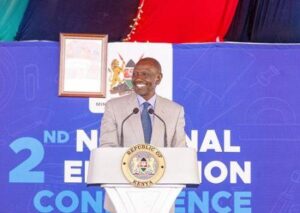
President William Ruto ordered the complete digitization of education-related data to combat the phenomenon of “ghost learners,” fictitious students sometimes used to misappropriate public funds. This announcement was made on Thursday, May 7, during the second National Education Conference held in Naivasha.
The reform specifically involves centralizing and digitizing information on learners, schools, and enrollment. The goal is to create a more reliable database, enabling better student tracking and more transparent management of resources allocated to the education sector. “I have instructed the Ministry of Education to complete, within the next two months, the digitization of all student records to enhance transparency,” announced William Ruto, who stated that “the state was paying 1.2 billion shillings [approximately US$9.3 million] annually for students who did not exist.”
In several African countries, education systems face problems with inaccurate or manipulated data, which can lead to irregularities in school funding, grant distribution, and teacher assignments. By eliminating duplicates and fictitious identities, Kenyan authorities hope to optimize public spending and improve the efficiency of educational governance.
This initiative is part of Kenya’s public administration digital transformation strategy. The government is expanding its projects to utilize data and digital platforms to enhance transparency and improve the quality of public services.
Adoni Conrad Quenum